Custom Cabinetry
A Simple, Clear Guide to Understanding Your Cabinetry Options
Designing custom cabinetry for your home is far more than just choosing a door style and finish. Customizing your home's cabinetry not only involves designing both a functional and aesthetic layout, but also making numerous selections including: manufacturer, wood species, cabinet construction options, door style, stain or paint, finish selections, hardware, customized inserts and accessories, and much more. While our professional Kitchen & Bath Designers will educate and help guide you in your decisions each step of the way, this helpful guide walks you through the basics so you can feel confident and prepared when meeting with one of our designers. There is no single “best” cabinetry option or selection, only what best aligns with your design vision, functionality needs, and investment comfort.
Cabinet Construction
After deciding the scope of customization you need for your cabinetry, you will choose your cabinet construction. This will dictate how the cabinet box is built and how the door attaches.
Frameless
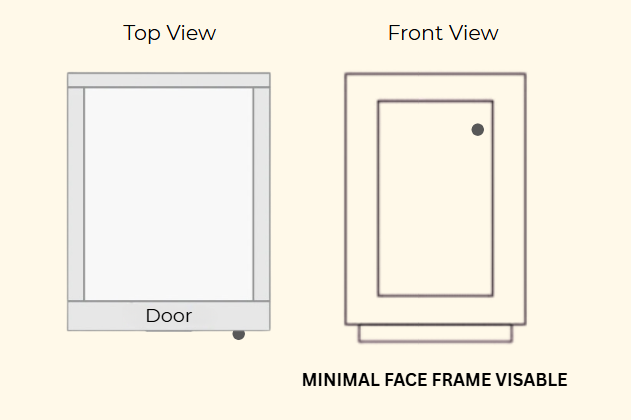
Removes the face frame entirely. Doors attach directly to the cabinet box, creating tighter seam lines and a cleaner look. Because there is no face frame taking up space, frameless cabinets often maximize storage.
Benefits of frameless cabinetry:
- Slightly more usable interior space
- Sleek, modern aesthetic
- Clean, tight reveals between doors
Full Overlay
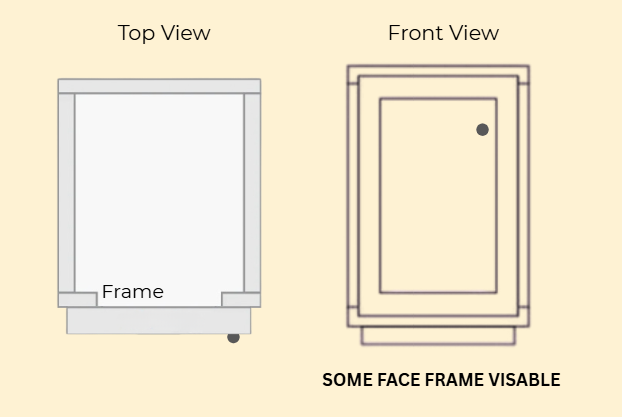
The cabinet doors sit on top and fully conceal the face frame except for a minimal 1/4" reveal around the sides of the doors, providing a clean, custom-built look. This adds structural rigidity and durability to your cabinetry.
Why clients love full overlay cabinets:
- Classic and traditional appearance
- Strong structural support and durability
Inset
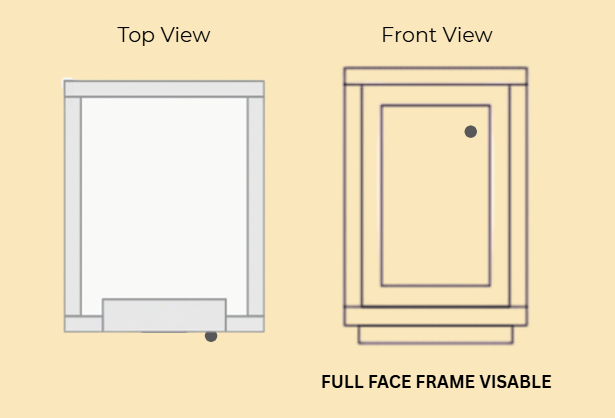
Inset refers to the door sitting flush inside the face frame opening rather than overlaying it. This style feels tailored and elevated. Inset cabinetry is often considered premium because of the precision required in manufacturing and installation.
What to know about inset cabinetry:
- The reveal (gap) around the door is intentionally visible
- Precision installation is essential
- White finishes make reveal lines more noticeable
Door Construction & Styles
Cabinet door construction refers to how the door is built. While it is partially aesthetic, door construction mainly determines functionality and structural strength. Most cabinet doors are constructed using five pieces: top rail, bottom rail, left stile, right stile, center panel. However, there are exceptions and differences between your options.
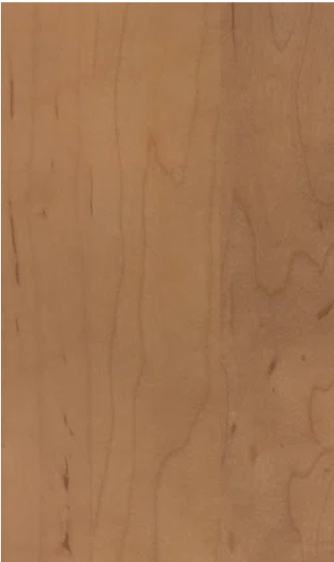
Slab
A flat, one piece panel, often used for modern or minimalist designs.
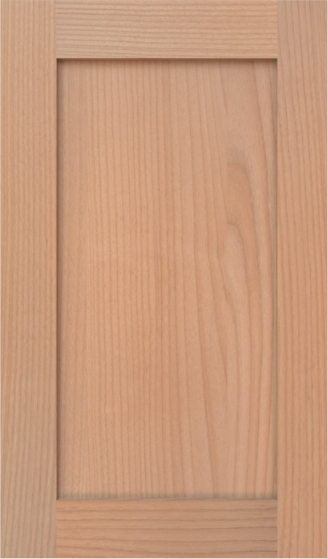
Flat Panel
Typical 5-piece construction with flat center panel. This is a versatile, popular choice that blends traditional and modern styles.
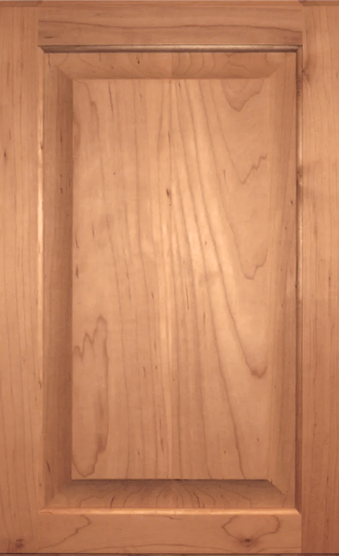
Raised Panel
The center panel is raised, surrounded by a profiled frame, typically used in traditional or formal designs.
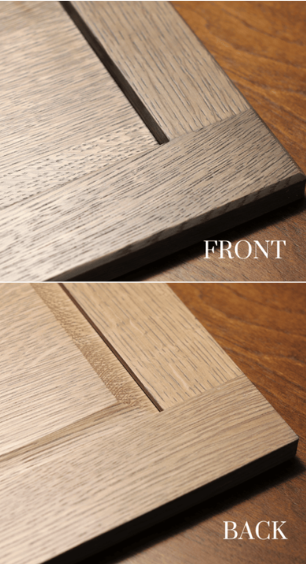
Reverse Raised Panel
This construction method allows for the look of a flat center panel but the heavier weight of a thicker piece of wood, providing more stability and weight to the door.
Once you choose both your cabinet and door construction, you can decide on a door style. Door style refers to the purely aesthetic design of the door front, with options such as shaker, microshaker, reeded, etc. Door styles are highly customizable, and there are countless options depending on the manufacturer you choose.
Wood & Finish Options
As the final step in building your cabinetry (before selecting hardware) you will choose the wood species and finish. Cabinet finishes are highly customizable, with countless paint and stain options available depending on the manufacturer. This flexibility allows cabinetry to be finished in virtually any color or stain to achieve the desired look.


Paint is often chosen when you want a specific color and a smooth, uniform finish, making it ideal for designs where cabinetry plays a strong role in the overall palette. Stain highlights the natural beauty and grain of the wood, creating a warmer, more organic look. Many designers also combine painted and stained finishes to add contrast and visual interest within a space. There is no universally “best” option, only the choice that best supports your design vision and the look you want to achieve.
For Paint
MDF and maple are commonly used for painted cabinets because they provide a light-colored, smooth surface for paint.
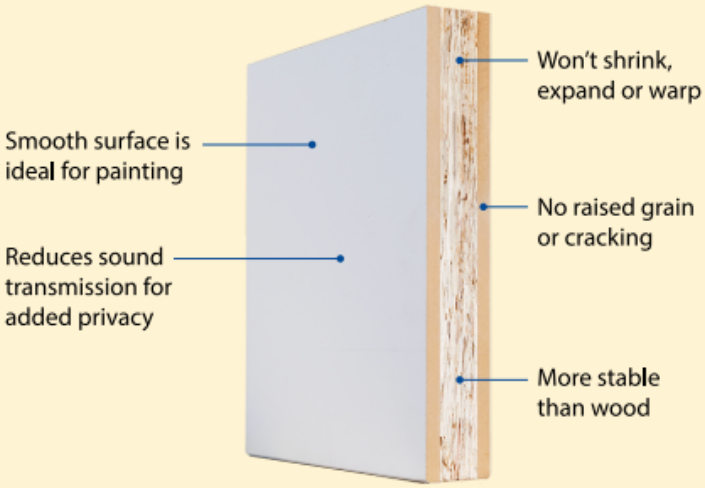
MDF (Medium Density Fiberboard) is an engineered product made from compressed wood fibers.
Despite misconceptions, MDF performs very well for painted finishes.
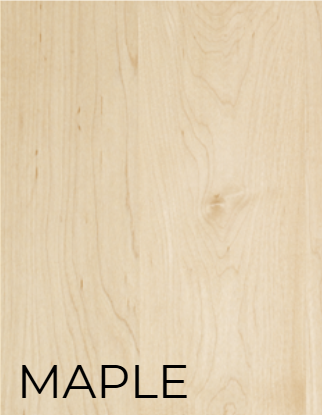
Maple is a very durable, versatile choice with a light, creamy color, fine texture, and minimal grain pattern, often used for clean, modern looks or painting.
For Stain
Solid woods such as walnut, oak, cherry, hickory, and alder are typically chosen for stained finishes due to
their distinctive grain patterns and unique natural character.
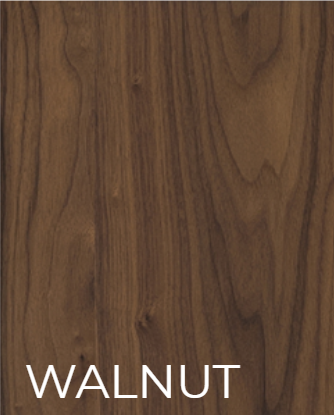
Walnut
A premium, fine-grained wood with a rich, dark brown color that provides a smooth, luxurious look.
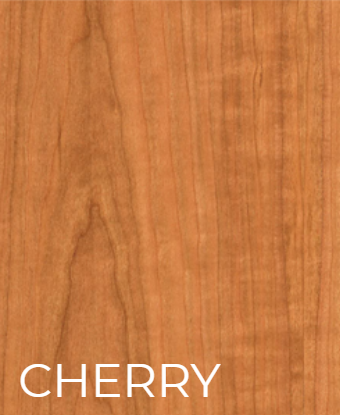
Cherry
A warm, reddish wood with a smooth, uniform grain that darkens over time with exposure to light.
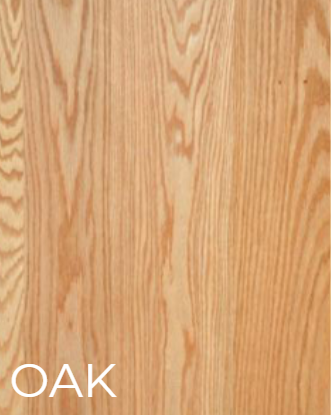
Oak
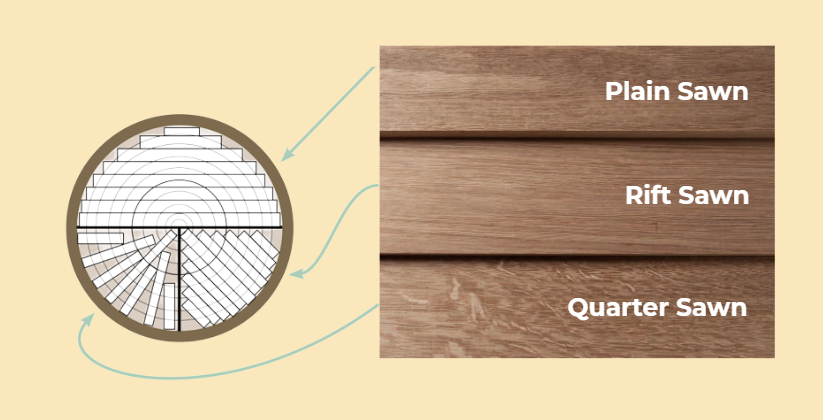
Features a distinct, open grain pattern and natural variation ranging from white to red; known for being very durable and traditional. Has different grain cuts shown below.
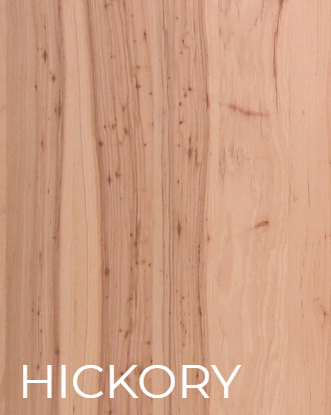
Hickory
Extremely strong and durable, featuring dramatic color variations from blonde to deep brown, ideal for rustic or rustic-chic styles.
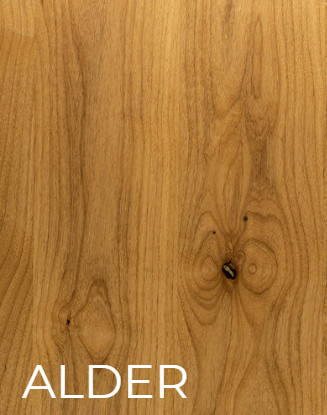
Transforming Your Finish
Glazes, color matching, antiquing, and specialty finishes can transform cabinetry by adding depth, dimension, and character, enhancing the final finish beyond a standard paint or stain.
Glazes
Glazes are a semi-transparent coating applied over paint or stain, then wiped off, to highlight the details of cabinet doors and profiles. The glaze settles into corners, grooves, and edges, adding depth, contrast, and a slightly aged or dimensional look.
Color Matching
Color matching allows cabinetry to be finished in a custom color selected by the client or designer. Manufacturers can match many paint colors from popular paint brands or physical samples, helping cabinetry coordinate with walls, trim, or other design elements in the home.
Antiquing
Antiquing is a finishing technique designed to give cabinetry a gently aged appearance. This process often includes light distressing, glazing, or subtle wear on edges and corners to create a timeworn, character-rich look..
Specialty Finishes
Specialty finishes include unique decorative treatments that go beyond standard paint or stain. These can include techniques such as distressing, wire brushing, layered finishes, cerusing (liming), or textured effects that enhance the natural grain or create a more customized aesthetic.