Upgrade to Soft-Close Cabinets

A white background with a few lines on it

Upgrading to soft-close cabinets and drawers can significantly enhance the functionality and longevity of your kitchen, bathroom, or any space with cabinetry. One of the most immediate benefits of soft-close mechanisms is the reduction of noise. Traditional cabinets and drawers often close with a loud bang, which can be particularly jarring in a busy household. Soft-close technology ensures that drawers and doors glide smoothly and shut quietly, creating a more peaceful and serene environment. This feature is especially appreciated in open-concept living spaces where kitchen noise can easily permeate throughout the home.


Another major advantage of soft-close cabinets and drawers is their contribution to the longevity of your cabinetry. The gentle closing action reduces the wear and tear on the hinges and drawer slides, preventing the damage that can occur from slamming. Over time, this means fewer repairs and replacements, preserving the beauty and functionality of your cabinetry for years to come. Additionally, soft-close mechanisms help protect the contents inside the drawers and cabinets from shifting and potentially breaking, which is particularly beneficial for delicate items like glassware and china.


Finally, soft-close cabinets and drawers add a touch of luxury and modernity to your home. They are a sought-after feature in high-end cabinetry and can increase the overall value of your property. This technology demonstrates attention to detail and a commitment to quality, which can be a selling point if you decide to put your home on the market. Moreover, soft-close systems are a user-friendly addition, making it easier for people of all ages, including children and seniors, to use the cabinets and drawers without exerting much effort. Investing in soft-close technology is not just about convenience; it's about enhancing the overall experience and longevity of your living space.


May 29, 2026
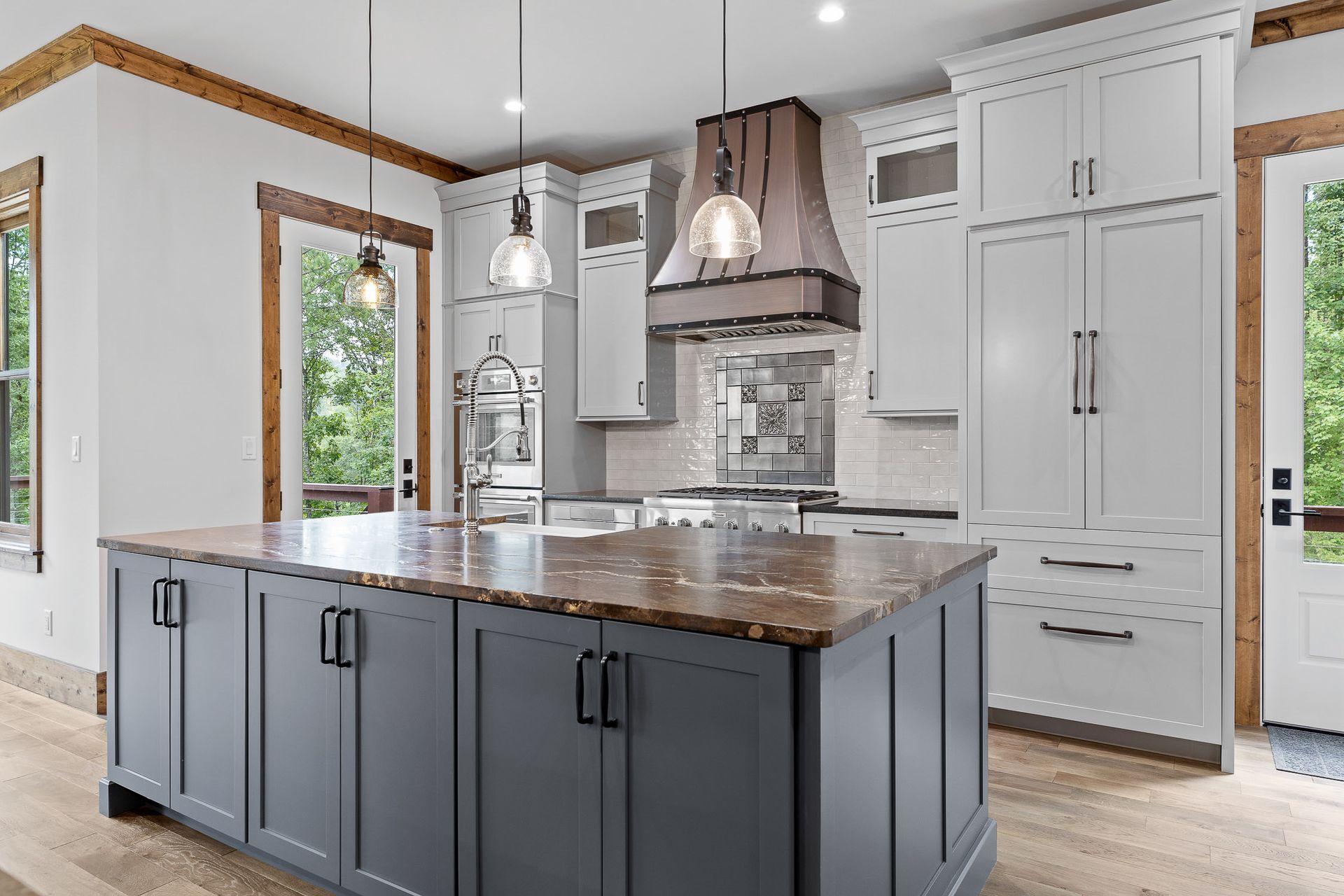
Open-concept homes continue to be a popular choice for homeowners seeking a more connected and inviting living environment. By removing barriers between the kitchen, dining room, and living areas, these layouts create opportunities for gathering, entertaining, and everyday functionality. However, because the kitchen is visible from multiple areas of the home, cabinet layout and design become even more important. At Classic Cabinetry, we work closely with homeowners, designers, builders, and contractors to create custom cabinetry solutions that enhance both the beauty and functionality of open-concept spaces. Thoughtful planning can help ensure the kitchen feels cohesive, efficient, and visually appealing from every angle. Anchor the Space with a Well-Designed Island In many open-concept homes, the kitchen island serves as the visual and functional centerpiece of the space. Because the island is often visible from surrounding living areas, its design deserves careful attention. Decorative paneling, symmetrical layouts, and thoughtful proportions can help create a strong focal point while maintaining balance throughout the room. In addition to providing valuable workspace and storage, a well-designed island can help define the kitchen within the larger open floor plan. Incorporate a Statement Range Hood A custom range hood can help anchor the cooking area while introducing architectural interest to the kitchen. As one of the most visible design elements in the space, the hood often serves as a natural focal point. Material selections, finish choices, and overall shape can all contribute to a design that complements the surrounding cabinetry while enhancing the kitchen's overall aesthetic. When coordinated with custom cabinetry, a statement hood can help establish a cohesive and polished appearance. Use Contrasting Finishes to Create Visual Interest Open-concept kitchens benefit from thoughtful layering and dimension. One popular approach is incorporating a contrasting finish on the island while maintaining a complementary finish on the perimeter cabinetry. This design strategy helps distinguish the island as a feature element while adding depth and visual interest to the overall space. Contrasting finishes can also help reinforce the kitchen's role as the centerpiece of an open-concept home. Vary Cabinet Depths for Added Dimension Custom cabinetry offers flexibility that extends beyond standard cabinet configurations. Varying cabinet depths throughout the kitchen can introduce subtle architectural interest and create a more dynamic appearance. Slightly deeper or shallower cabinet sections can help break up long cabinet runs, create visual layering, and contribute to a more customized design. These details often have a significant impact on the overall character of the space. Design Around Functional Zones While aesthetics are important, functionality remains a primary consideration in any kitchen design. Open-concept kitchens often benefit from clearly defined zones dedicated to cooking, food preparation, storage, and cleanup. Organizing cabinetry and appliances around these functional areas can improve workflow and create a more efficient environment. Strategic cabinet placement helps ensure the kitchen supports daily activities while maintaining a clean and organized appearance. Conceal Appliances When Possible Because appliances are often visible from adjacent living spaces, many designers seek ways to minimize visual clutter within open-concept homes. Integrated appliance panels can help refrigerators and dishwashers blend seamlessly into surrounding cabinetry. In larger homes, secondary spaces such as butler's pantries may also be used to house additional appliances and storage, helping maintain a cohesive and streamlined look throughout the main kitchen area. Extend Cabinetry Design into Adjacent Spaces One of the advantages of custom cabinetry is the ability to create continuity throughout the home. Because open-concept kitchens connect directly to nearby living and dining spaces, repeating cabinetry elements in adjacent rooms can strengthen the overall design. Built-in shelving, custom hutches, and coordinated storage solutions help establish visual consistency while providing additional functionality. Carrying design details beyond the kitchen can make the entire space feel more intentional and unified. Maintain Continuous Flooring Throughout the Open Space Flooring plays an important role in creating cohesion within an open-concept layout. Carrying the same flooring material throughout the kitchen, dining room, and living areas helps establish a seamless visual transition between spaces. When paired with thoughtfully designed custom cabinetry, continuous flooring reinforces the feeling of a single, connected environment rather than a collection of separate rooms. Consider Sightlines from Every Area of the Home Unlike traditional kitchen layouts, open-concept kitchens are visible from multiple vantage points throughout the home. This makes it important to consider how cabinetry, appliances, islands, and design details appear from different perspectives. Thoughtful planning helps ensure the kitchen looks polished and intentional from every angle. Paying attention to sightlines can enhance the overall flow of the home while creating a more cohesive and visually appealing living space. Creating Cohesive Open-Concept Kitchen Designs Successful open-concept kitchens balance functionality, aesthetics, and flow. Through thoughtful cabinet layouts, custom storage solutions, and carefully coordinated design elements, homeowners can create spaces that feel both welcoming and highly functional.  At Classic Cabinetry, we design custom cabinetry solutions tailored to the unique needs of each project. Whether working with homeowners, designers, builders, or contractors, our team is committed to creating cabinetry that enhances the beauty and usability of every open-concept home.

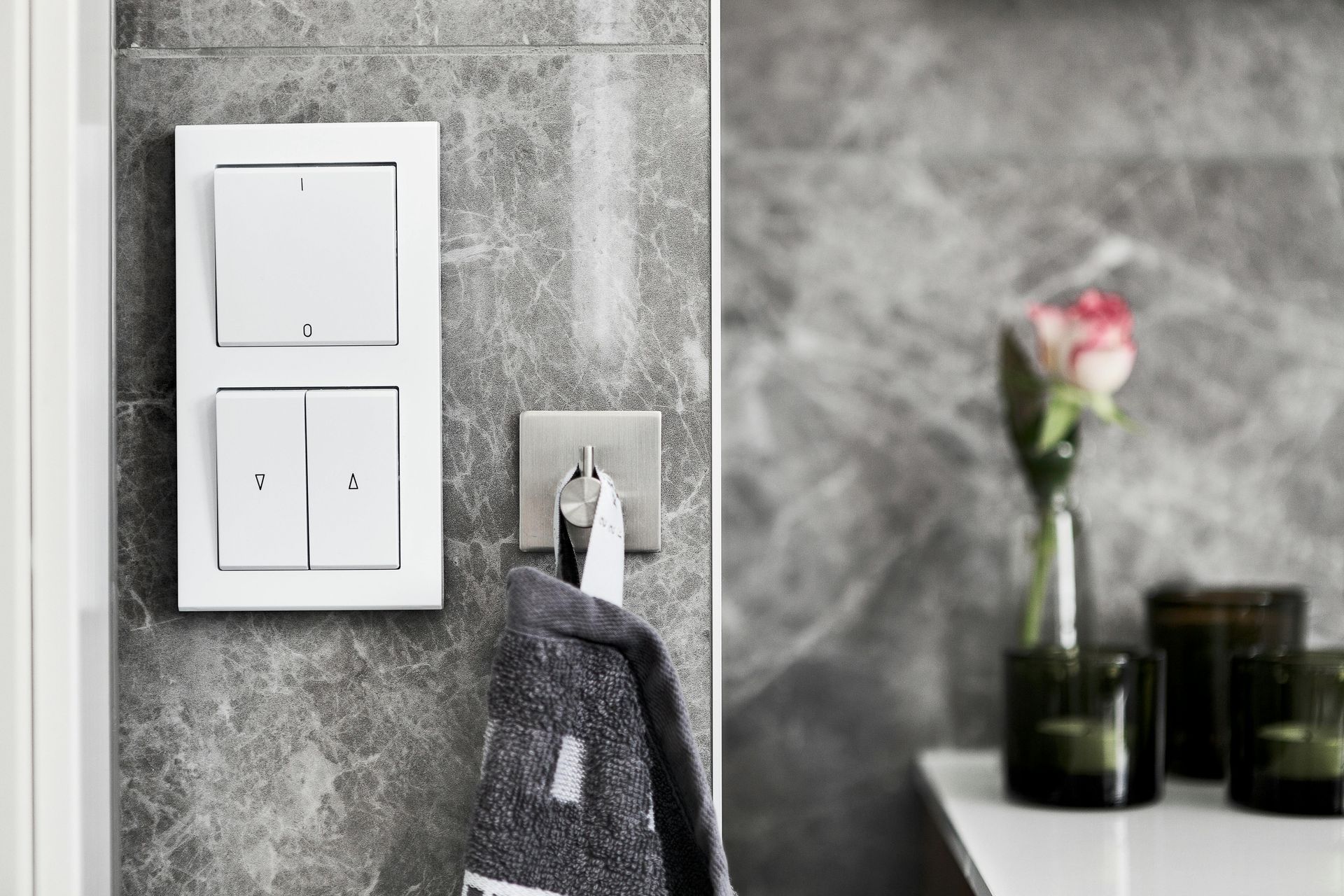
A towel is hanging on a hook in a bathroom next to a light switch.
July 23, 2025
In 2025, bathroom renovations are embracing the future with smart technology, transforming these essential spaces into hubs of convenience and luxury. For homeowners in [in name of service area], integrating smart features into bathroom remodels is not just a trend, it's a lifestyle upgrade. Smart mirrors have become a centerpiece in modern bathrooms, offering functionalities like displaying weather updates, news, and even your daily schedule. These mirrors can be controlled via voice commands, enhancing your morning routine with ease. Smart showers are revolutionizing the bathing experience. With the ability to pre-set water temperature, flow, and even play your favorite music, these showers provide a spa-like experience tailored to individual preferences. Smart toilets are gaining popularity, featuring self-cleaning capabilities, heated seats, and adjustable settings for water temperature and pressure. Models like the Roca In-Wash Inspira Smart Toilet have become more accessible, offering luxury and hygiene at a more affordable price point. Heated floors add a touch of comfort, especially during colder months. Controlled via smartphone apps, they ensure your bathroom floor in Chattanooga is always at the perfect temperature, enhancing the overall comfort of the space. Voice-activated lighting allows for hands-free control, enabling you to adjust lighting modes for different tasks, from bright lights for grooming to dimmed settings for relaxation. For homeowners in Chattanooga, incorporating these smart technologies into bathroom renovations not only enhances daily routines but also adds significant value to the home. As smart home integration becomes increasingly prevalent, upgrading your bathroom with these features ensures your space is both modern and functional. Embracing smart bathroom technology in 2025 is more than a trend, it's a step towards a more convenient, comfortable, and connected lifestyle.
A kitchen with stainless steel appliances and a large island.
July 23, 2025
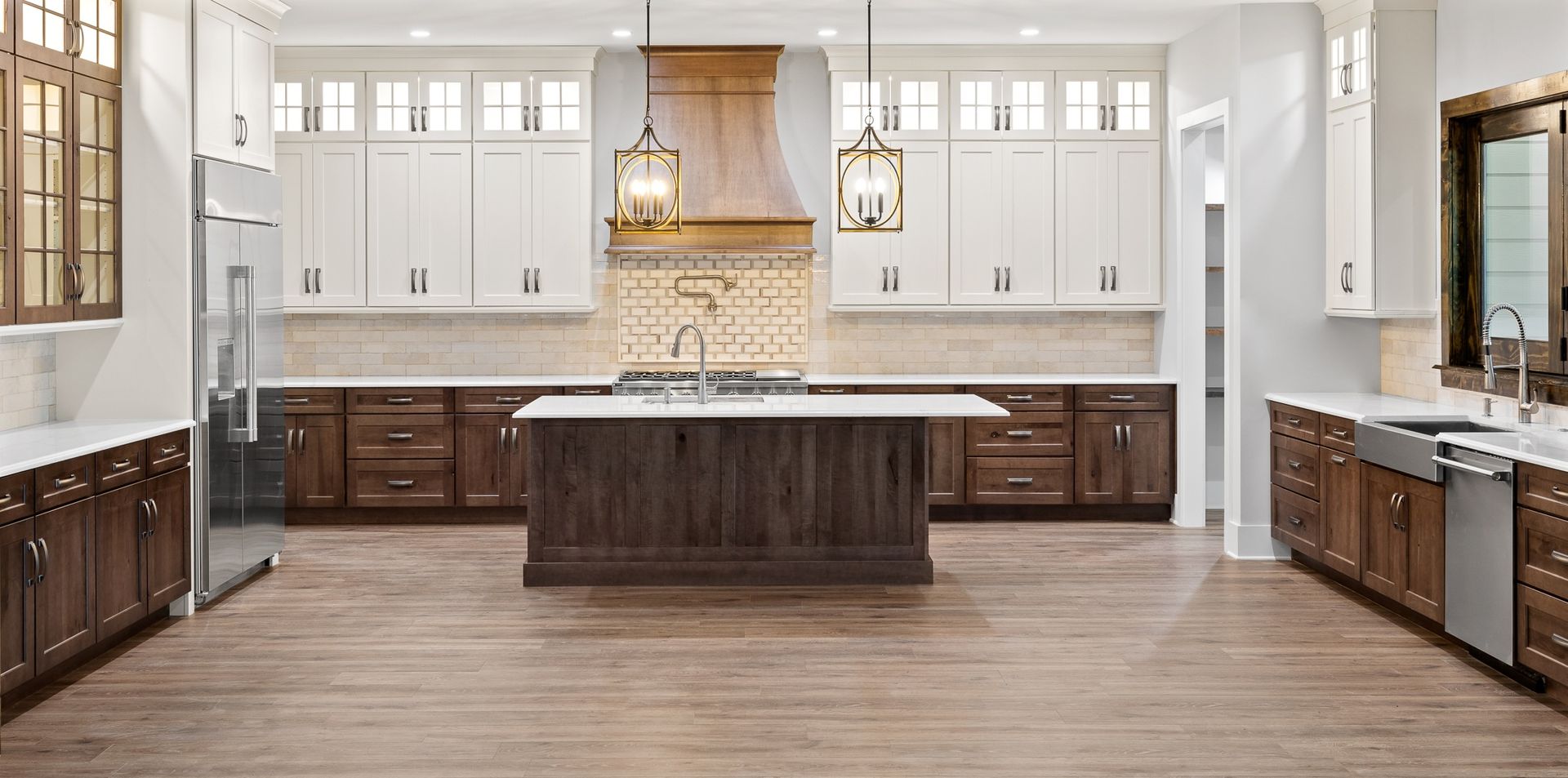
In 2025, the kitchen renovation industry is embracing a transformative trend known as "quiet luxury." This design philosophy prioritizes understated elegance, focusing on high-quality materials and seamless integration to create spaces that exude sophistication without ostentation. Quiet luxury is characterized by minimalist aesthetics, concealed functionalities, and a harmonious blend of form and function. Designers are moving away from overt opulence, instead opting for subtle details that speak volumes. Features such as push-to-open cabinets, plinthless islands, and retractable panels are becoming staples, allowing kitchens to blend seamlessly with open living areas in your home. Materials play a pivotal role in this trend. Natural woods like oak and ash are favored for their timeless appeal and durability. These materials not only add warmth but also underscore the commitment to quality craftsmanship. The emphasis is on creating spaces that are both functional and aesthetically pleasing, without unnecessary embellishments. A hallmark of quiet luxury is the integration of advanced technology in a discreet manner. Appliances are often hidden behind custom cabinetry or within "appliance garages," maintaining the kitchen's streamlined appearance. Innovations like invisible induction cooktops exemplify how technology can enhance functionality without disrupting the design's cohesion . This approach extends to lighting and hardware as well. Subtle lighting solutions and mixed metal finishes, such as combining polished nickel with antique brass, add depth and character without overwhelming the space . For homeowners in Chattanooga, adopting the quiet luxury trend means investing in a kitchen that balances modern sophistication with timeless design. It's about creating a space that reflects personal taste and lifestyle, offering both comfort and elegance. This trend is particularly appealing for those seeking a kitchen that serves as a serene retreat, free from clutter and visual noise. As the kitchen continues to be the heart of the home, the quiet luxury trend offers a pathway to design spaces that are both beautiful and functional. By focusing on quality materials, concealed functionalities, and cohesive design elements, homeowners can create kitchens that stand the test of time.
Show More